


 English (EUR)
 Français (EUR)
 Deutsch (EUR)
 Español (EUR)
 Česky (CZK)
 Polski (PLN)
 Slovensky (EUR)
 български език (EUR)
 Magyar (HUF)
 Română (RON)
 Italiano (EUR)
How to Prevent Mold in your Coffee Machine

Service Technician at Brewive • 2026-06-17 • 3 min read
Keeping your coffee machine mold-free is essential for brewing fresh, hygienic coffee every day. This guide walks you through effective steps to prevent mold in machines from various brands, including Siemens, Philips, DeLonghi, and Saeco.

What you need
Difficulty: Very easy | Estimated time: 15–30 minutes
Tools
- Microfiber cleaning cloth
- Water and mild liquid soap
Step-by-step repair guide
Step 1: Cleaning Process


Unplug and Cool Down: Make sure the coffee machine is unplugged and has cooled down before you begin cleaning.
Prepare Cleaning Solution: Mix a small amount of liquid soap with warm water to create a mild soapy solution.
Clean the Machine:
Dampen a microfiber cloth or sponge with the soapy solution.
Wipe down both the interior and exterior surfaces of the machine.
Focus on mold-prone areas such as the water reservoir, brew unit, and the infusion chamber.
⚠️ Caution: Pay close attention to nooks and crannies—around gaskets, seals, and the drip tray housing—where mold tends to hide.
Step 2: Rinse and Dry
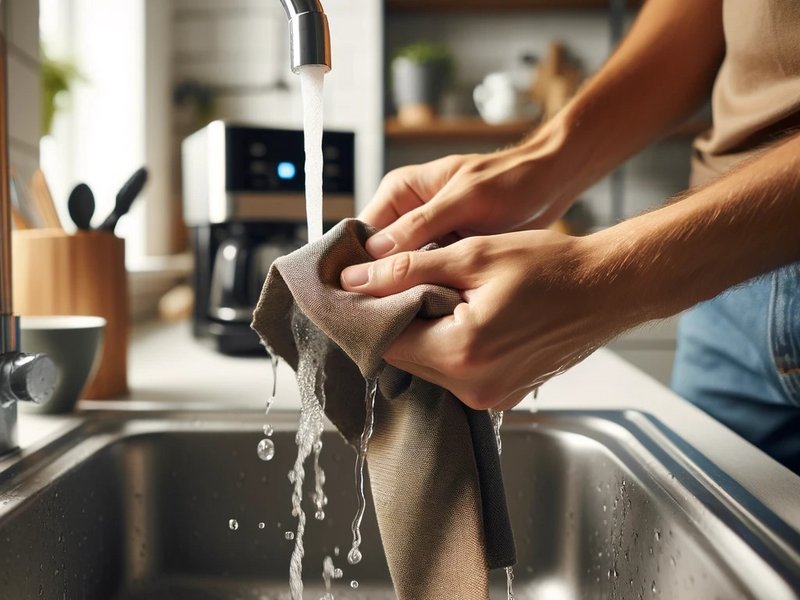
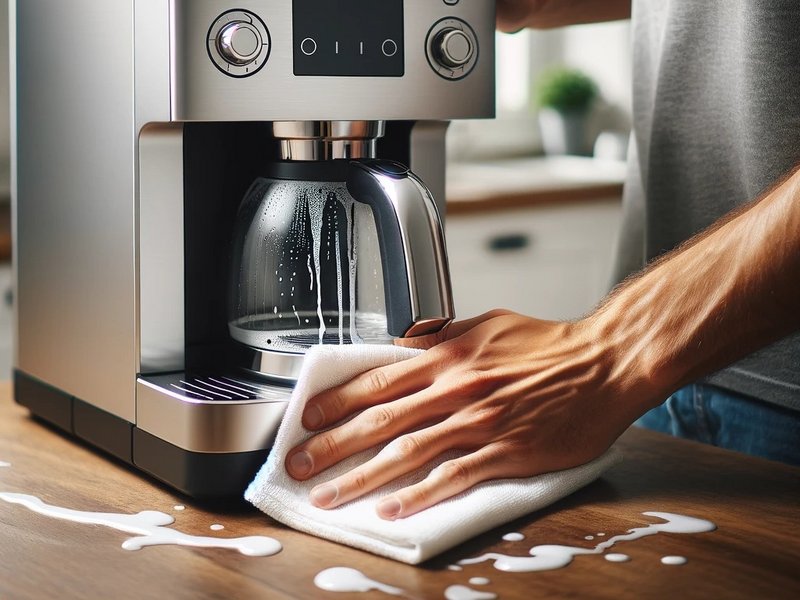
Rinse: Thoroughly rinse the cloth or sponge to remove all soap residue.
Wipe Again: Use a clean, damp cloth to wipe down the entire machine, removing any remaining soap.
Dry: Allow the coffee machine to air dry completely before plugging it back in.
Step 3: Maintenance Tips

Regular Cleaning: Make it a habit to clean your coffee machine on a consistent schedule.
Daily Care: Empty and rinse the water reservoir every day.
Periodic Cleaning Cycle: Run the machine's built-in cleaning cycle at the recommended intervals.
Overnight Care: Leave the grounds container drawer slightly open overnight or during extended periods of non-use to allow airflow and prevent mold growth.
Empty Filters and Pads: Remove used coffee filters or pods immediately after brewing.
Daily Emptying: Empty and rinse the coffee grounds container and drip tray daily.
Use Cleaning Programs: Follow the manufacturer's cleaning program recommendations for your specific model.
Brew Unit Maintenance: For fully automatic machines, remove, rinse, and dry the brew unit regularly to prevent residue buildup.
Step 4: Descaling Your Coffee Machine


Manufacturer's Recommendation: Always use the descaling product recommended by the manufacturer, especially if the machine has a built-in descaling program. These programs run for a fixed duration, and using the correct product ensures thorough and effective descaling.
Risks of Incorrect Products: Using a milder product may not dissolve scale effectively within the program's allotted time, while a harsher product can cause corrosive damage to internal seals, gaskets, and plastic components.
Alternative Descaling Method
While vinegar is often suggested as a descaling agent, it is not ideal for fully automatic machines as it can damage seals and internal parts. Instead, sulfamic acid–based descalers are effective, gentle on gaskets and metal components, and safe for regular use.
If you suspect mold in hard-to-reach areas—such as inside the thermoblock or behind the brew unit—you may need to open the machine for a deeper inspection.
Need help with your repair?
Check out our free service manuals and technical documentation for coffee machines. Step-by-step guides to help you repair your machine like a pro.
Conclusion
Regular cleaning, proper maintenance, and using the correct descaling products will keep your coffee machine mold-free—ensuring you always enjoy a fresh and hygienic cup of coffee.
Frequently Asked Questions
How often should I clean my coffee machine to prevent mold?
You should rinse and empty the water reservoir daily and perform a thorough cleaning with a mild soapy solution on a regular basis—ideally weekly. Running a periodic cleaning cycle also helps keep mold at bay. If you need replacement parts such as water reservoirs or brew unit components, Brewive carries parts for brands like Siemens, Philips, DeLonghi, and Saeco.
What areas of my coffee machine are most prone to mold growth?
The water reservoir, brew unit, infusion chamber, drip tray, and any hidden crevices where moisture accumulates are the most mold-prone areas. Regularly wiping these spots with a damp, soapy cloth and drying them thoroughly will help prevent mold buildup. If any of these components are damaged or stained beyond cleaning, you can find affordable replacements at Brewive.
Can I use bleach or harsh chemicals to remove mold from my coffee machine?
It's best to avoid bleach or harsh chemicals, as they can leave harmful residues that affect the taste and safety of your coffee. A simple solution of mild liquid soap and water is effective for wiping down mold-prone areas. For specialized descaling solutions or replacement parts to keep your machine in top condition, check out Brewive.
Why is it important to let my coffee machine dry completely after cleaning?
Mold thrives in moist environments, so allowing your coffee machine to air dry completely before plugging it back in helps prevent new mold from forming. Leaving the water reservoir open or removing it overnight also reduces moisture buildup. If your reservoir lid or gaskets are worn and trapping moisture, Brewive offers replacement parts for a wide range of coffee machine brands.
Should I leave water sitting in the reservoir overnight?
No, it's best to empty and rinse the water reservoir daily and avoid leaving standing water in it overnight, as stagnant water encourages mold growth. Leaving the reservoir open or detached allows it to dry out between uses. If your reservoir or its components need replacing due to mold damage, you can find the right parts at Brewive.